Company H, 10th Illinois Infantry (1861–1865)
When the men of Sandwich formed Company H of the 10th Illinois Infantry Regiment in August 1861, they were answering a call that would take them farther than most could imagine.
They left a small Illinois town.
They marched through half a continent.
The Mississippi River Campaign 1862

4
Their first major operations came in early 1862 during the campaign against New Madrid, Missouri, and Island No. 10 on the Mississippi River.
These river fortifications were critical Confederate strongholds. Their fall opened the Mississippi corridor and marked one of the Union’s early strategic successes in the Western Theater.
It was here that Captain Lindsay H. Carr of Sandwich was killed in March 1862. For the men of Company H, and for Sandwich, the war became personal.
Corinth and the Western Theater
After New Madrid, the regiment advanced deeper into the South, taking part in operations around Corinth, Mississippi, an important rail junction. Control of railroads meant control of supply and movement. These were grinding, exhausting campaigns marked by disease as much as battle.
Company H endured the heat, long marches, and constant repositioning that defined Western Theater warfare.
Chattanooga 1863


4
In late 1863, the 10th Illinois participated in the Chattanooga Campaign, including the dramatic assault on Missionary Ridge.
The Union breakthrough at Chattanooga opened the gateway to Georgia. The Deep South was no longer secure. The road toward Atlanta lay ahead.
For the Sandwich Guards, this marked their transition from early-war river operations to the large scale campaigns that would decide the conflict.
The Atlanta Campaign – 1864


4
In 1864, Company H moved with General William T. Sherman’s forces through Georgia.
They fought in actions associated with:
- Rocky Face Ridge
- Resaca
- Kennesaw Mountain
- Peachtree Creek
- The Siege of Atlanta
These were some of the fiercest engagements of the war. It was during this campaign that Sandwich soldier Kipps Baldwin died of wounds in July 1864.
By the fall of Atlanta, the Confederacy had suffered a devastating blow.
Sherman’s March to the Sea
After Atlanta fell, Sherman turned east toward Savannah.
The 10th Illinois marched across Georgia in what became known as Sherman’s March to the Sea, a campaign designed to break Confederate infrastructure and morale. Rail lines were destroyed, depots burned, and supply networks dismantled.
For the men from Sandwich, this meant weeks of marching, limited rations, and exposure to the elements — but also the growing realization that the war’s end was approaching.
The Carolinas and the End – 1865

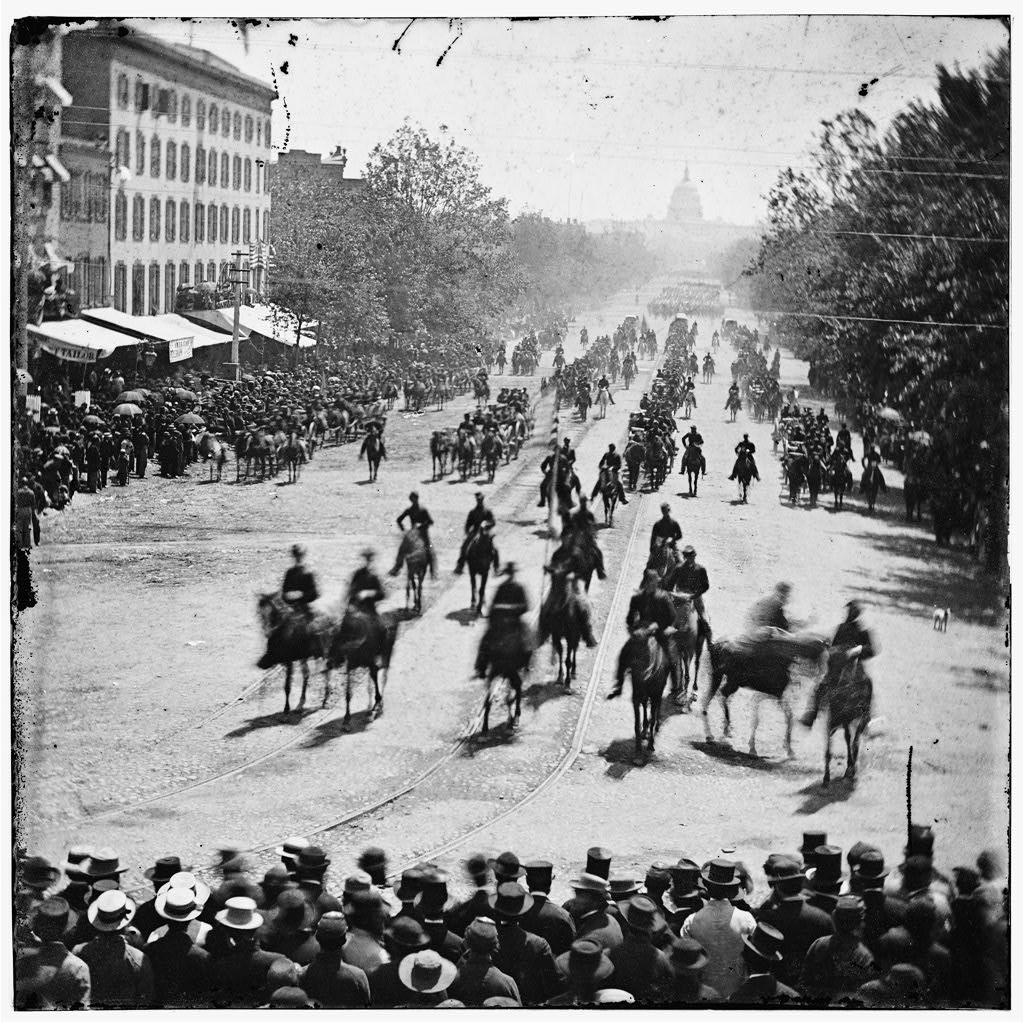

In early 1865, the regiment advanced into the Carolinas, fighting at Bentonville, one of the final major battles faced by Sherman’s army.
Soon after, Confederate resistance collapsed.
The 10th Illinois marched to Washington, D.C., participating in the Grand Review of the Armies in May 1865, a victory parade marking the preservation of the Union.
On July 4, 1865, the regiment mustered out of service.
Nearly four years after they left Sandwich, those who survived came home.
What It Meant for Sandwich
The journey from Sandwich to Sherman’s March was not simply a military path on a map.
It was:
- Early deaths in 1862
- Long absences
- Letters home
- Empty chairs at supper
- Veterans returning older than their years
Some never returned.
Others did, carrying with them memories of river batteries, Georgia heat, Carolina mud, and the thunder of artillery far from DeKalb County.
Company H’s story is not only a chapter in national history.
It is a chapter in Sandwich’s own.
Research & Sources
Service records and campaign participation were compiled from the Illinois Adjutant General’s Reports, regimental histories of the 10th Illinois Infantry Regiment, and battle summaries from the National Park Service Civil War Soldiers and Sailors System, along with official War Department records.
Read how Sandwich first answered the call in When Sandwich Went to War
Visit the memorial page They Went From Sandwich